SodaTide Official Website › Blog › The One Number You Can Check
30 Capsules, 30 Days: The One Number On This Label You Can Actually Check
SodaTide’s artwork prints no Supplement Facts panel, no milligram figure for any of its three named ingredients and no colony-forming-unit count for the probiotic blend. What it does print, on the front of the bottle, is a capsule count and a supply length. Those two numbers are the only pair on this label a reader can independently check against each other — and the fact that they agree is smaller and more useful than it sounds.
Seven questions a careful buyer asks, and how many this label answers
SodaTide’s own ingredients page lays out seven questions a careful buyer might reasonably ask before ordering a supplement: what form is it, how long does a bottle last, what is in it, how much of each, which strains, what is the shell made of, and which batch is this. That page states plainly that the artwork answers four of the seven and leaves three genuinely open. This post is about the two questions it answers most completely, because they turn out to be the only pair on the whole label a reader can check without any outside information at all.
That is worth sitting with before going further. A label that names three ingredients and gives no weight for any of them, and names a probiotic blend with no organism and no count, is a label that asks for a great deal of trust and offers very little a reader can verify independently. Finding the one place it does not ask for trust — the one pair of numbers a reader can check with nothing but arithmetic — is worth doing carefully, because it is a rare thing on this particular bottle.
The two numbers actually printed on the front of the bottle
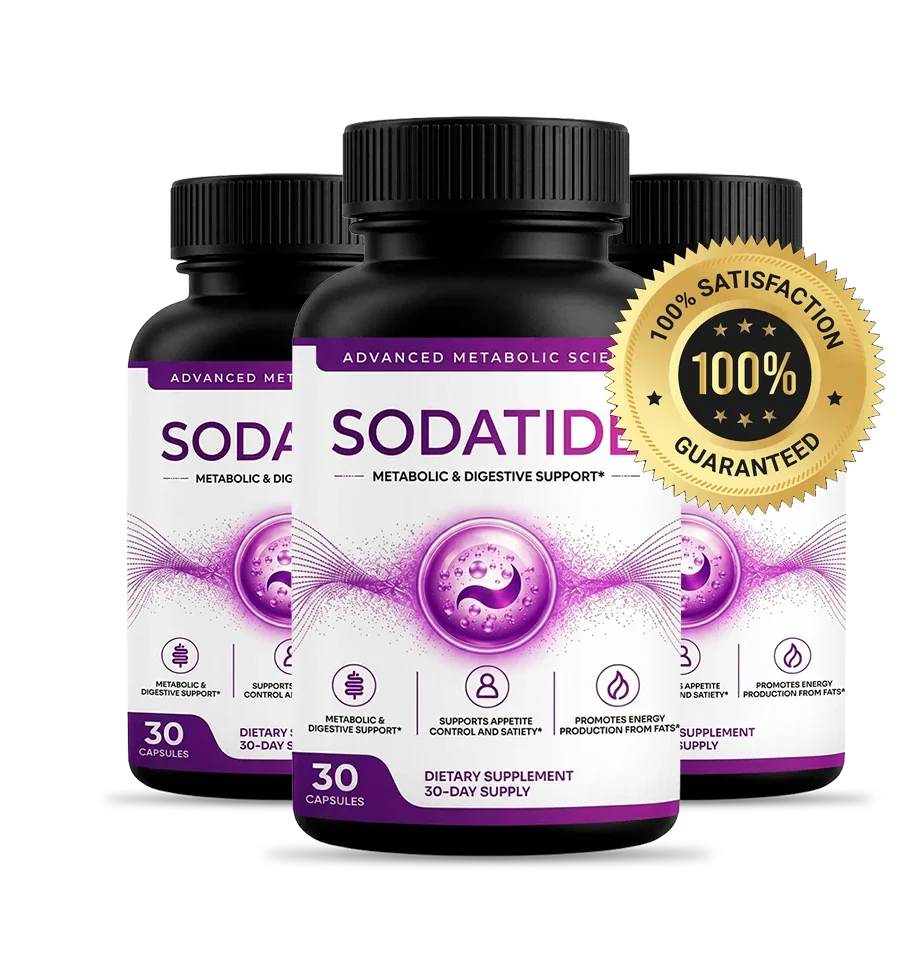
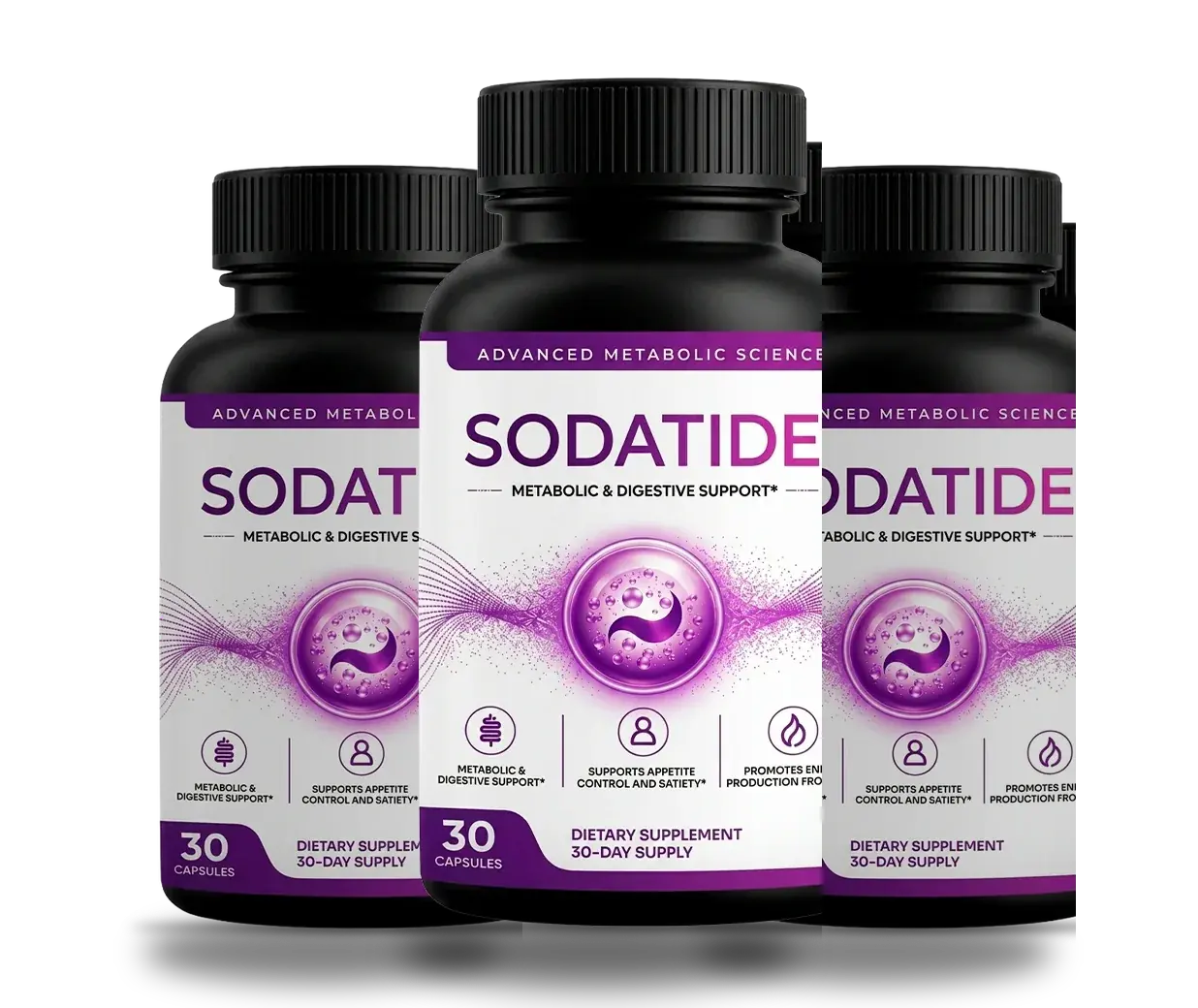
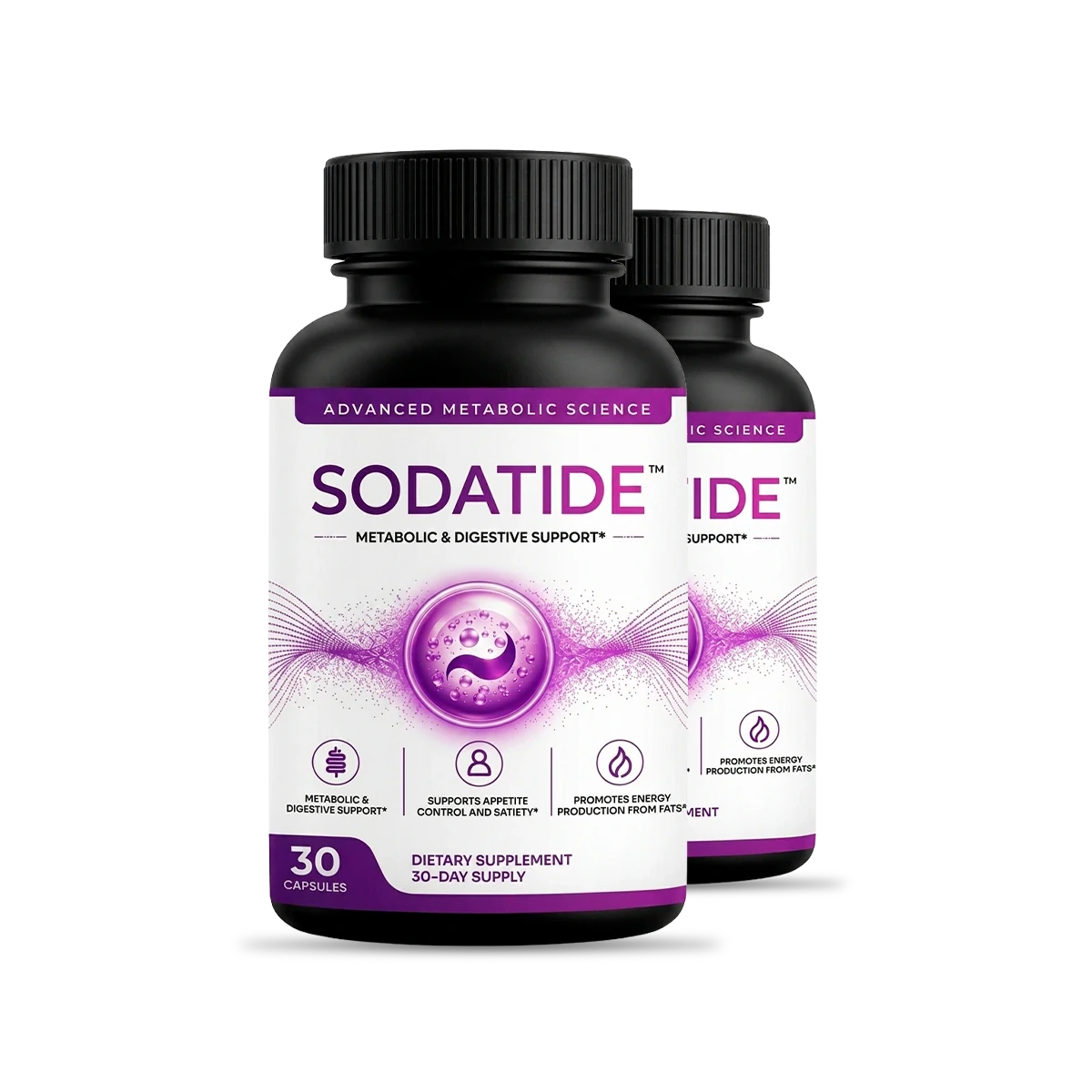
The front label and the vendor’s own product imagery, as described on this site’s ingredients page and home page, print a capsule count of 30 and a supply length of 30 days, alongside the directions to take one capsule daily. Those are two separate, independently stated facts on the packaging: a quantity of capsules in the bottle, and a claim about how many days that quantity is meant to cover.
Nothing about those two facts requires trusting the manufacturer’s formulation decisions, requires a laboratory, or requires knowledge of what a resistant starch trial used. They are printed quantities, of the kind any reader can hold a bottle and personally confirm by opening it and counting.
How to check them against each other, and why that is worth doing
The check itself is simple arithmetic: thirty capsules, taken one a day, covers thirty days. The two printed numbers agree with each other. That sounds almost too obvious to be worth a page, and on its own it is a small fact. What makes it worth stating explicitly is that it is one of vanishingly few claims on this entire label that a reader can test without needing to trust anyone.
Consider the alternative. A bottle could print “30 capsules” and “45-day supply,” which would imply directions other than one a day, or an inconsistency worth asking the seller about before ordering. A bottle could print a capsule count and no supply length at all, leaving a reader to do the arithmetic themselves from the directions alone, with more room for the two figures to have been set by different departments at different times and never reconciled. SodaTide’s bottle prints both figures, stated independently, and they are consistent with each other and with the one-capsule-daily direction. That consistency is a real, if modest, point in the label’s favour: it did not have to be true, and it is.
| Printed figure | Where it appears | Can a reader verify it directly? |
|---|---|---|
| 30 capsules | Front label, and the vendor’s product imagery | Yes — count the capsules in the bottle |
| 30-day supply | Front label | Yes — divide the capsule count by the stated one-a-day direction |
| Directions: one capsule daily | Front label / how-to-use guidance | Yes — the instruction itself is unambiguous |
| Milligram amount of any of the three named ingredients | Nowhere on the artwork | No — nothing is printed to check against |
| Colony-forming-unit count for the probiotic blend | Nowhere on the artwork | No — nothing is printed to check against |
| Combined weight of the probiotic blend | Nowhere on the artwork | No — nothing is printed to check against |
Three printed, checkable claims. Three unanswered questions beside them, with nothing printed to check.
What “checkable” means, and why it is rare on this label
A checkable claim, in the sense this post means it, is one a reader can confirm using only the physical bottle and arithmetic, without needing a laboratory, a citation, or a phone call. By that definition, most of what this label says is not checkable. A reader cannot check whether the chicory root inulin inside a capsule matches the eight-to-twenty-one-gram range the published trials used, because no milligram figure is printed to compare against that range. A reader cannot check whether the probiotic blend contains organisms at the doses the cited research used, because no organism and no count are named at all. Those are not failures of this post to explain the evidence clearly; they are genuine absences on the physical label that no amount of outside reading fixes.
The capsule count and the day-supply claim are different in kind, not just in size. They are checkable because they are self-contained: both numbers are printed on the object itself, and confirming them requires nothing beyond opening the bottle. That is precisely why this post treats them as worth a page of their own, separate from the ingredient-dose discussions on the rest of this blog. Everything else on this label asks a reader to trust a source outside the bottle. This one pair of numbers does not.
The count and the supply length agree on every SodaTide bottle
Thirty capsules, one a day, thirty days — the arithmetic a reader can check without trusting anything else on the label.
Two bottles $158 · six bottles $294 · 60-day money-back guarantee
Order SodaTide On The Official WebsiteOne capsule a day · 30 per bottle
Why a capsule count is arithmetic, not evidence
It is worth being precise about the limits of this one checkable fact, because it would be easy to overstate what it proves. Confirming that thirty capsules equal a thirty-day supply at one a day proves that two printed numbers are internally consistent. It proves nothing about what is inside each capsule, how much of the three named ingredients it contains, or whether the probiotic blend meets any dose threshold discussed in the published literature on this site’s ingredients page. Arithmetic that checks out is a sign the packaging was assembled carefully enough to keep two related numbers aligned. It is not a substitute for a Supplement Facts panel, and this site does not treat it as one.
The honest framing is closer to this: a label that gets its one checkable fact right has cleared a low bar, not a high one. It is still worth noting, precisely because so much else on this label clears no bar at all — there is nothing printed to check the ingredient amounts against, so there is no arithmetic available for a reader to perform on the part of the label that would matter most.
A sibling label that proves this is a template, not an omission
One more piece of context is worth adding, because it changes how a reader should interpret the absence of a Supplement Facts panel. A sibling site documenting the same product template describes the identical six-line label in detail: an eyebrow line, the wordmark, a product descriptor, and then three lines along the foot — capsule count, the words “dietary supplement,” and the supply length — which it describes as “the only numbers on the bottle that can be checked,” noting explicitly that at one capsule a day, thirty capsules is thirty days, and the two agree. That same documentation states plainly that the label carries no Supplement Facts panel, no amount for any of the three ingredients and no blend total anywhere.
That independent description matters because it confirms the pattern seen on this label is a consistent feature of how this product is packaged, not a one-off gap on this particular bottle. A reader encountering the absence of a dose figure on SodaTide’s own artwork is looking at the same six-line format documented elsewhere, arriving at the same two checkable numbers and the same absence of everything else. This site’s own ingredients page states the same absence directly: there is no Supplement Facts panel among the images supplied with this product, and this site carries no supplement-facts page for that reason, because writing one would mean inventing a panel rather than reporting an absent one.
How this differs from the timeline post on this blog
The other post on this blog about timing asks a different question entirely: not what can be checked on the label, but when a fermentable fibre and a probiotic blend might plausibly begin to do anything, based on how long the published trials behind similar ingredients ran. That post is about biology and time. This post is about arithmetic and what is printed. They share a subject — the same bottle — but neither one answers the other’s question, and a reader looking for when to expect something should read the timeline post, while a reader asking what, exactly, can be confirmed by looking at the bottle in their hand should stay with this one.
What a buyer does with one checkable fact
The practical use of this is narrower than it might sound, and that narrowness is honest rather than disappointing. A reader can use the capsule-count-against-supply-length check as a small, genuine piece of due diligence: open the bottle, count roughly, confirm the number is in the right range, and treat that as one data point suggesting the packaging was put together carefully. It is not, and should not be treated as, a substitute for the missing dose information discussed at length on the ingredients page and in the post on this blog about the unnamed probiotic blend.
What this page adds to that picture is a specific, positive statement rather than another list of absences: this label has exactly one pair of numbers a reader can check without outside information, those two numbers are consistent with each other, and knowing that is worth more than nothing, even though it is also worth considerably less than a Supplement Facts panel would be.
Thirty capsules and a thirty-day supply, one capsule a day: the only pair of numbers on this label a reader can check against each other using nothing but the bottle and arithmetic. They agree. Everything else this label names — the ingredient amounts, the colony-forming-unit count, the blend total — has nothing printed to check it against, which is a different and larger gap than this one small consistency closes.
SodaTide is a dietary supplement, not a drug. Nothing on this page treats, cures or prevents anything, and nothing here is medical advice. A persistent change in bowel habit, unexplained weight change, blood, pain or fever are reasons to be assessed by a clinician rather than reasons to start a capsule.
References
- Questions and Answers on Dietary Supplements. U.S. Food and Drug Administration. https://www.fda.gov/food/information-consumers-using-dietary-supplements/questions-and-answers-dietary-supplements
- Dietary Supplements: What You Need to Know. Office of Dietary Supplements, National Institutes of Health. https://ods.od.nih.gov/factsheets/WYNTK-Consumer/
- Weese JS, Martin H. Assessment of commercial probiotic bacterial contents and label accuracy. Can Vet J. 2011;52(1):43-6. PMID 21461205. https://pubmed.ncbi.nlm.nih.gov/21461205/